7 OT-Approved Home Safety Updates for Winter
Winter sure does have a way of changing how our bodies move. Cold mornings bring stiff joints and darker evenings affect mood and balance. From an OT perspective, winter safety isn’t about fear but supporting the confidence you need to participate in meaningful daily routines. Here are seven evidence-informed, OT-approved home updates that make a meaningful difference during the winter months.
Improve Entryway Traction
Snow, ice, and wet boots create one of the highest fall-risk zones in the home. It’s important to use low-profile, non-slip mats both outside and just inside the door. Mats should lay completely flat with rubber packing to prevent curling or sliding.
Why it matters: Safe transitions reduce slips during one of the most frequent daily tasks, coming and going.
Upgrade Lighting for Shorter Days
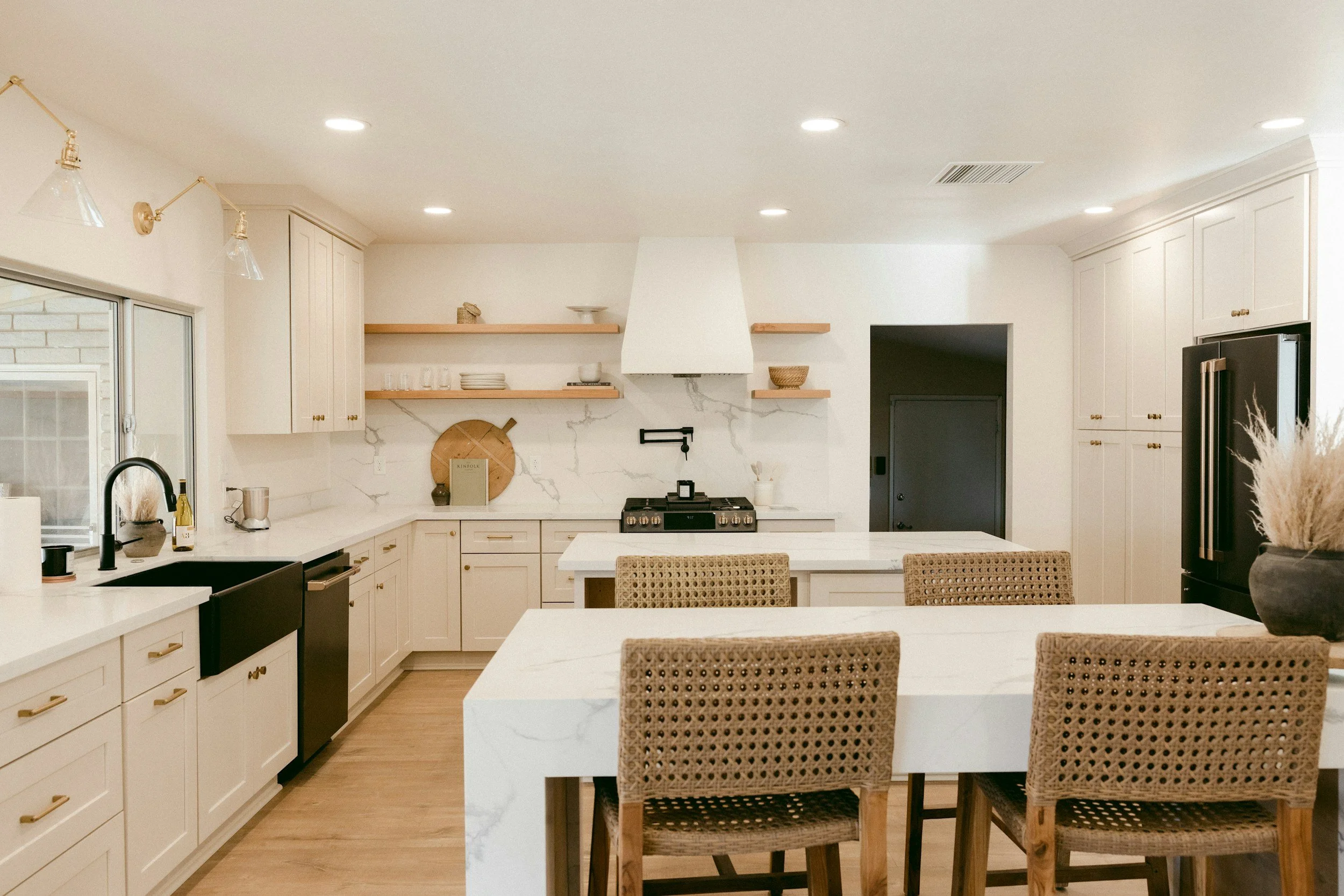
With fewer daylight hours, visual input decreases, increasing fall risk. Motion-sensor or plug-in night lights in hallways, bathrooms, and stairwells improve safety without requiring extra effort.
OT lens: Good lighting supports balance and depth perception during nighttime mobility.
Add Properly Installed Grab Bars
Winter often increases joint pain, fatigue, and even dizziness, especially during bathing. Grab bars near toilets and in showers or tubs provide real support. Towel racks should never be used as substitutes.
Clinical insight: Grab bars reduce reliance on unstable surfaces and support safe transfers.
Create a Warm, Accessible “Comfort Zone”
Cold muscles move more slowly and are more injury-prone. Keep blankets, layered clothing, and heated throws within each reach. This reduces rushing and unnecessary strain.
OT principle: Comfort supports pacing and pacing reduces falls.
Maintain Consistent Temperature & Humidity
Cold, dry air can worsen joint stiffness, fatigue, and even dizziness. A stable thermostat setting and the use of a humidifier can improve overall tolerance for daily activities.
Functional impact: Improved comfort = better endurance for self-care and mobility.
Clear and Stabilize Walking Paths
Winter clothing and indoor routines often increase clutter. Remove loose rugs, cords, and furniture obstacles from high-traffic areas. Walkways should allow for a confident, uninterrupted stride.
OT rule: Clear paths support automatic movement and reduce cognitive load while walking.
Reinforce Stair Safety
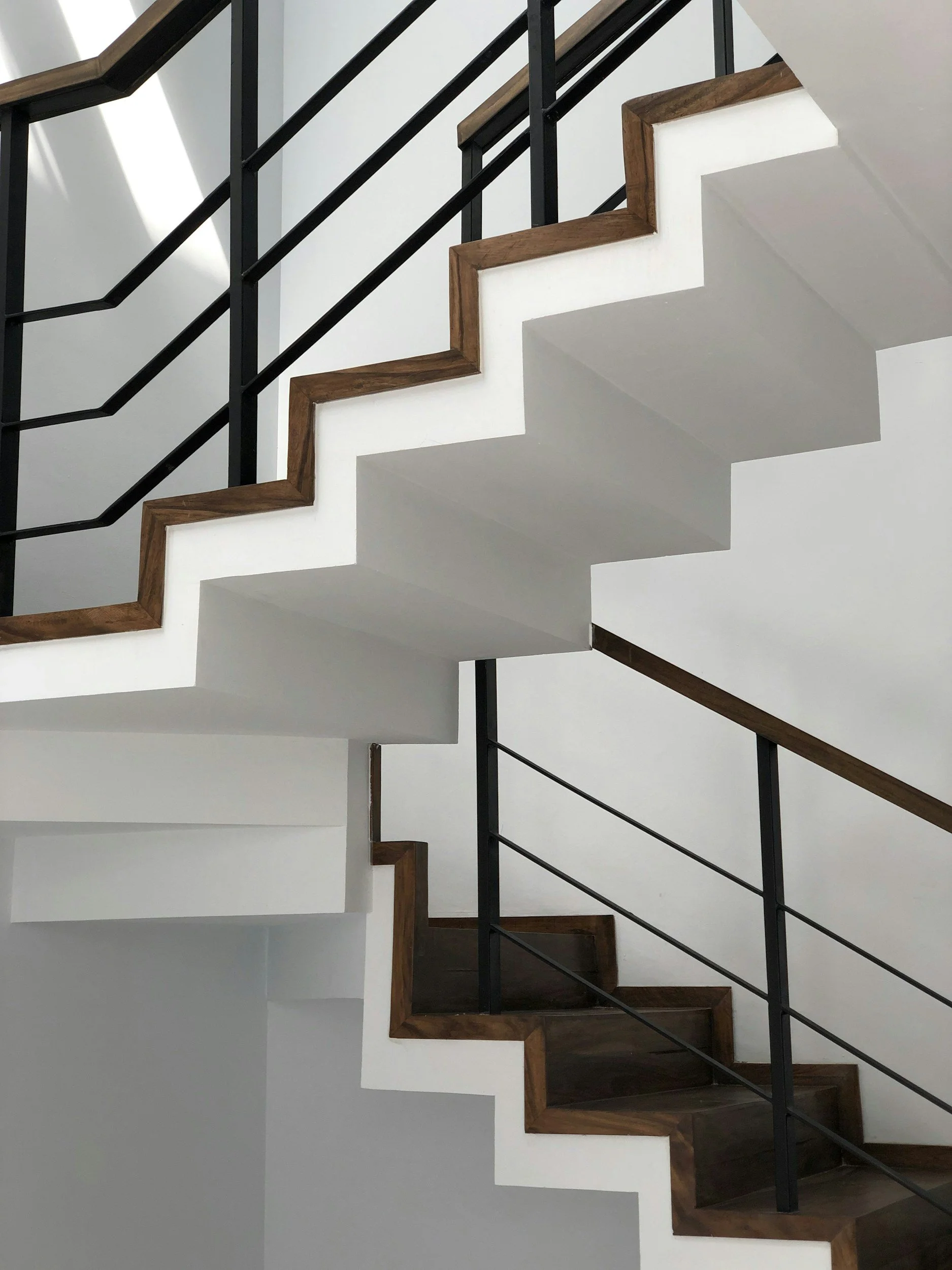
Stairs become higher risk when wearing boots or slippers. Ensure handrails are secure, ideally on both sides, and consider non-slip stair threads.
Why it matters: Stairs demand strength, balance, and coordination: supporting them preserves independence
The OT Takeaway
Winter home safety is not about limiting activity, but supporting safe participation in daily life. Small, intentional changes can prevent injuries, reduce fatigue, and help people move through winter with confidence and dignity.